

How Commercial and Industrial Floor Coatings Support a Safer Workplace

Safety in a commercial or industrial facility depends on many factors, from employee training and equipment maintenance to clearly marked work areas and good housekeeping. The condition of the floor is another important part of that environment.
Warehouses, manufacturing facilities, automotive shops, commercial kitchens, and other high-traffic spaces place significant demands on concrete. Moisture, oils, chemicals, heavy equipment, and constant traffic can affect floor condition and create potential hazards.
The right commercial concrete floor coatings in Ohio can help businesses create surfaces that are easier to maintain, improve traction where needed, and make important work zones easier to identify.
Smooth surfaces can become slippery when exposed to water, oil, grease, or other liquids. In a busy commercial environment, these conditions can increase the risk of slips and falls.
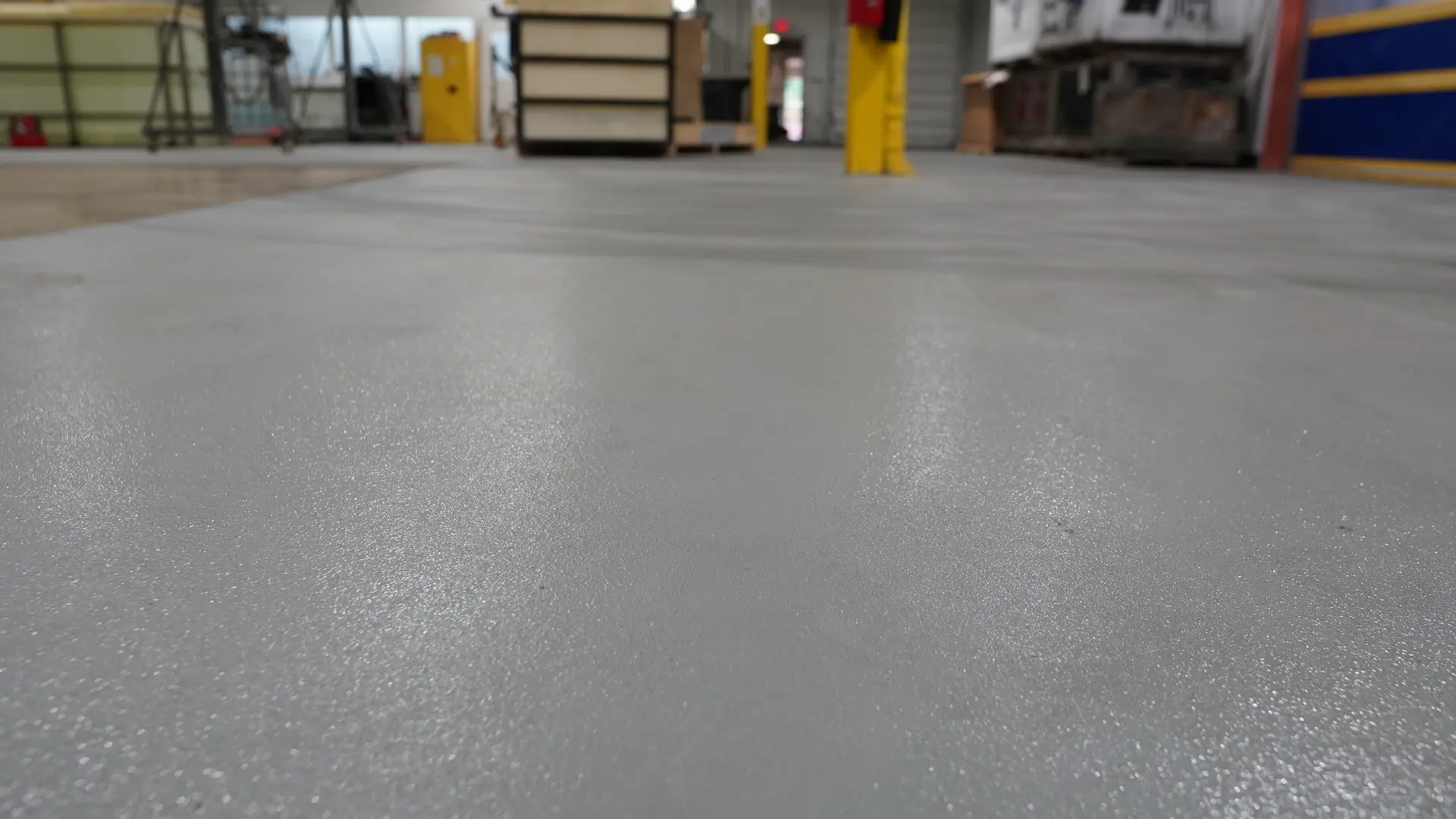
A non-slip commercial floor coating can incorporate texture or aggregate to provide additional traction in areas where it is needed.
This may be particularly useful in:
However, more texture isn't always better. A heavily textured floor may provide additional traction but can also be more difficult to clean. The right system should balance traction with the cleaning and operational needs of the facility.
Floor coatings can do more than protect concrete. Color can also help organize a commercial or industrial space.
Different colors, lines, and markings can be incorporated into a flooring system to identify specific areas throughout a facility.
Depending on the operation, these might include:
Clear visual separation can make it easier for employees and visitors to understand how they should move through the facility.
Floor markings aren't a replacement for proper safety procedures, signage, or employee training, but they can support a larger workplace safety plan.
Bare concrete is porous. When oil, chemicals, water, and other liquids spill onto an unfinished floor, they can soak into the surface and become difficult to remove.
A professionally installed coating creates a sealed surface that can make many spills easier to identify and clean.
This can help maintenance teams respond more efficiently instead of dealing with liquids that have already penetrated the concrete. A cleaner surface can also make it easier to spot potential hazards during routine facility inspections.
Always select the appropriate coating system based on the substances used in the facility. Different coatings provide different levels of chemical resistance.
As untreated concrete wears, it can create fine concrete dust. Forklifts, carts, machinery, and foot traffic can continually contribute to this problem.
Dust may settle on equipment, inventory, shelving, and work surfaces, increasing cleaning requirements throughout the facility.
Coating the concrete seals the surface and helps reduce dust generated by normal concrete wear. This can create a cleaner, more manageable work environment, especially in busy warehouses and manufacturing facilities.
Cracks, surface deterioration, and uneven areas shouldn't simply be hidden beneath a new coating.
Before installing commercial concrete floor coatings, an experienced contractor should evaluate the condition of the existing slab. The contractor can then address areas needing repair as part of the preparation process.
Professional surface preparation may include mechanical grinding, crack repair, removal of old coatings, cleaning, and other steps based on the condition of the concrete.
Proper surface preparation is essential to the performance of the new system and the overall quality of the finished floor.
There is no single floor coating that works best for every commercial or industrial environment.
A commercial kitchen may prioritize traction and ease of cleaning. A warehouse may need a system capable of handling constant forklift traffic. An automotive facility may prioritize chemical resistance, while a customer-facing commercial space may place greater emphasis on appearance.
Superior Floor Coatings offers flooring systems such as epoxy, urethane, and polyaspartic, along with decorative finishes like quartz, flake, metallic, and solid colors. The right combination depends on the demands of your facility.
When planning a project, important factors include:
Evaluating these factors helps determine which flooring system makes sense for the specific environment.
A floor coating alone does not make a facility safe or ensure compliance with workplace regulations. Safety requirements depend on the facility, industry, operations, and applicable standards.
Instead, flooring should be viewed as one part of a broader approach to maintaining a safe workplace.
The right system can provide appropriate traction, make floors easier to clean, define traffic patterns, and protect deteriorating concrete. These features can work alongside employee training, signage, housekeeping procedures, personal protective equipment, and other safety practices.
Flooring issues are easier to address when they are identified before they begin interfering with everyday operations.
If your concrete is worn, hard to clean, slippery in certain areas, or no longer suited to how your facility operates, it may be time to evaluate your flooring system.
At Superior Floor Coatings, we work with commercial and industrial businesses to understand how their spaces are used before recommending a solution. From surface preparation to the final finish, the goal is to create a floor that supports the demands of the facility.
If you're considering a non-slip commercial floor coating or another commercial concrete flooring system in Ohio, our team can help you determine the right approach for your space.