

How to Design a Pickleball Court: Surface Coatings and Installation Tips

Pickleball continues to grow across Ohio, with homeowners, community centers, and private facilities adding dedicated courts. One of the most important parts of any court is the playing surface. A properly prepared base and acrylic pickleball court coating help provide consistent ball bounce, reliable traction, and long-term performance.
If you’re planning a pickleball court installation, understanding the role of surface coatings, materials, and preparation can help you make the right decisions from the start.
Every pickleball court starts with a properly prepared base, typically concrete or asphalt. The surface should be level, properly drained, and in good condition before the acrylic court coating is applied.
Key considerations for the base include:
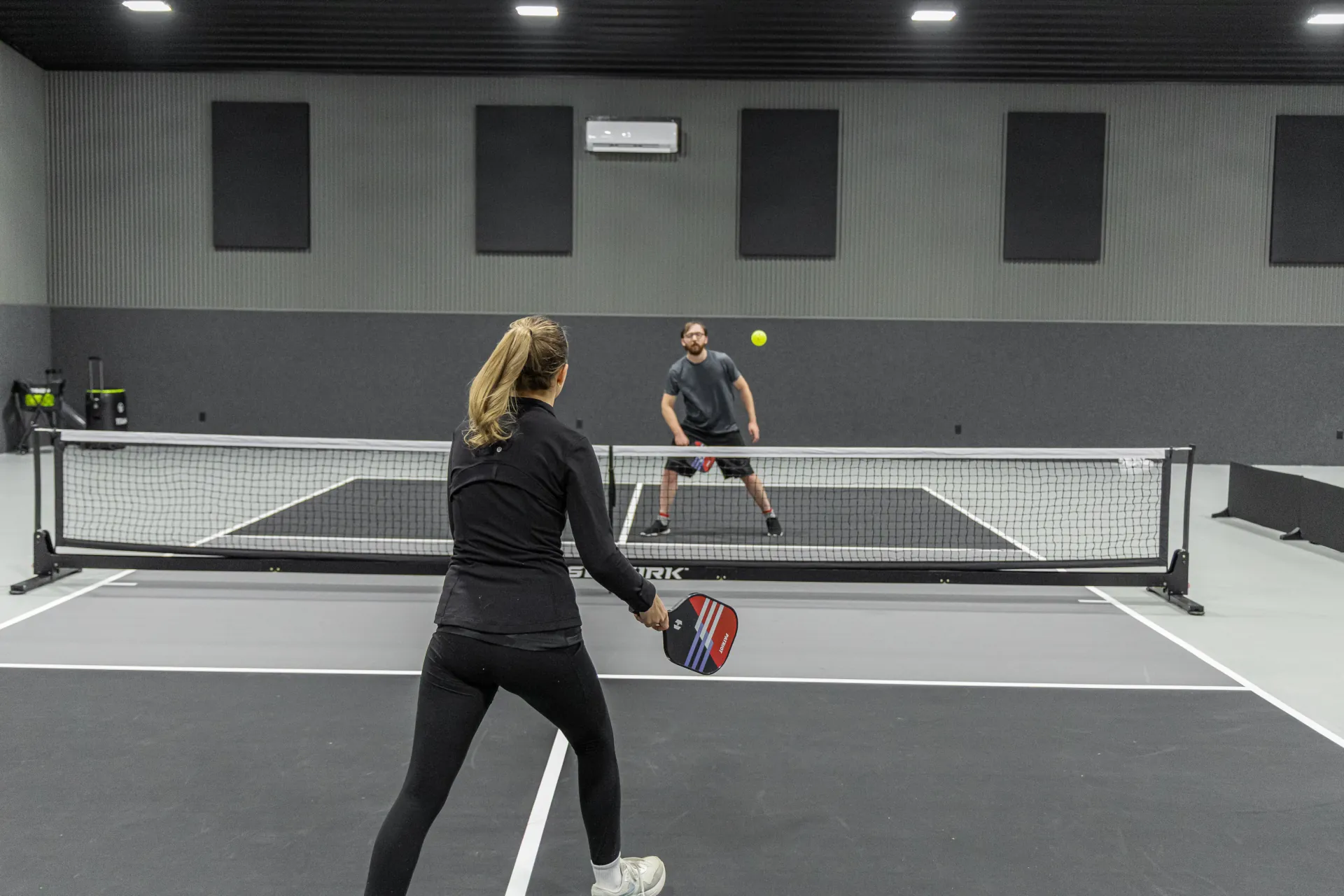
An acrylic sports coating turns prepared concrete or asphalt into a finished pickleball playing surface. The textured finish helps provide traction, consistent ball response, and clearly defined court colors and lines.
High-quality surface coatings provide:
Coatings are also customizable, allowing for color selection and design that enhances visibility and aesthetics.
Pickleball courts are typically finished with an acrylic sports coating designed to provide consistent ball bounce, reliable traction, and long-term durability.
Acrylic court coatings are available in a variety of colors and can be applied over properly prepared concrete or asphalt. For added player comfort, cushioned acrylic systems are also available.
The right system depends on the condition of the surface, court location, and expected level of use.
A regulation pickleball court measures 20 feet wide by 44 feet long. However, the overall playing area needs additional space around the court so players can safely move beyond the boundary lines.
Important layout elements include:
Design choices should prioritize both playability and safety. You can see completed courts here on our projects page.
The cost to install a pickleball court varies depending on several factors, including site preparation, materials, and coating systems.
Factors that influence cost include:
While initial investment may vary, a properly installed and coated court reduces long-term maintenance costs and extends the life of the surface.
Proper surface preparation and application are important for a long-lasting pickleball court. Professional installation helps ensure the acrylic coating is applied correctly, the court has the proper texture, and lines are accurately measured and striped.
Working with experienced installers helps avoid issues like uneven surfaces, premature wear, or inconsistent play. For more, visit our dedicated Sports Flooring page.
Once installed, maintaining a pickleball court is relatively simple. Regular cleaning and periodic inspections help preserve the surface and extend its lifespan.
Basic maintenance includes:
With proper care, a coated pickleball court can provide years of reliable use.
Superior Floor Coatings installs professional pickleball court surfaces for residential, commercial, and recreational properties throughout Ohio. Whether you're coating a new court or updating an existing surface, our team can help you choose the right acrylic system for your space.